Technology
The Race to Put a Fast Charger on Every Highway Exit
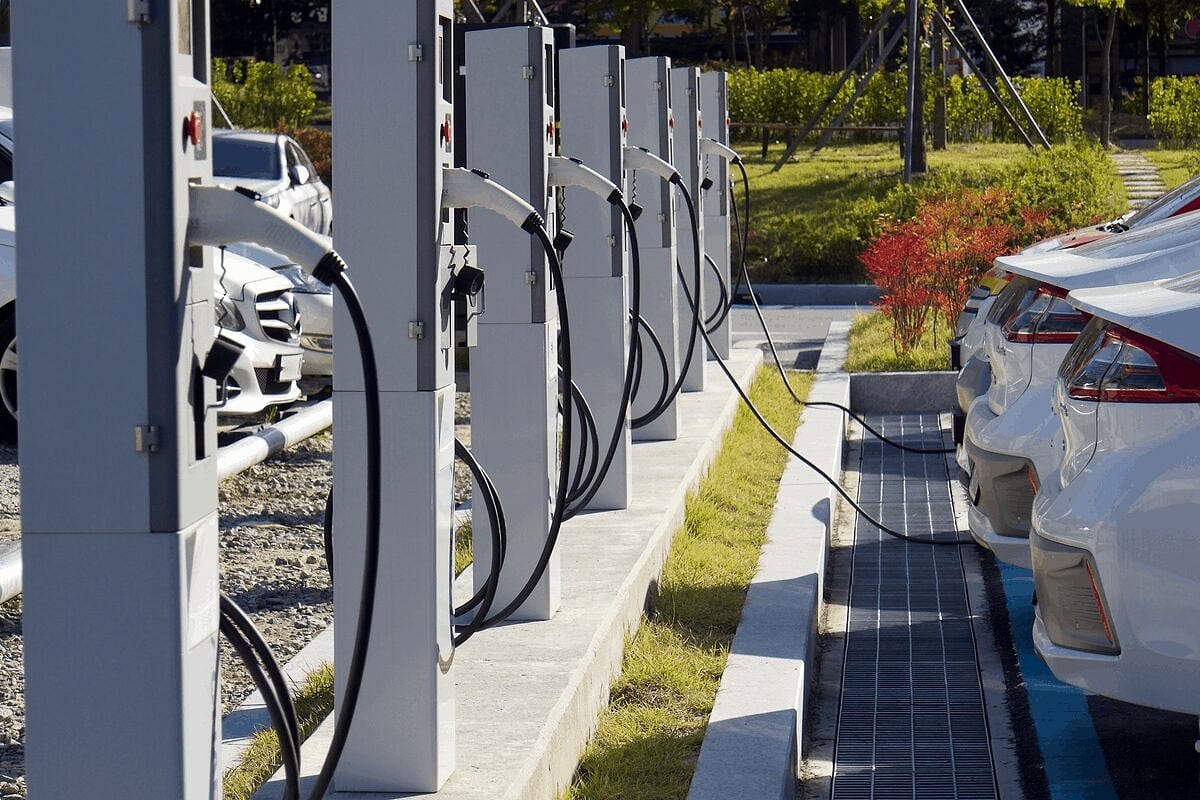
On the highway between two mid-sized cities, a new charging station opened this autumn with twelve fast chargers, a canopy, a coffee kiosk and a waiting room. It was full within a week. The operator's next three sites are already under construction. Across the country, the same scene is repeating: governments have committed billions to charging infrastructure, private companies are competing for the best locations, and the stated goal, repeated in press release after press release, is a fast charger at every highway exit.
The money is real. Public funding programs now subsidise chargers along major routes, and the largest operators have announced multi-year build-outs running into the tens of thousands of plugs. The number of fast chargers has roughly doubled in three years. For drivers considering their first electric car, the expanding network is the single most persuasive argument. Surveys consistently find that charging anxiety, not range, is the main reason people hesitate.
Yet the experience on the ground has not kept pace with the announcements. Drivers report chargers that are out of service, payment systems that reject their cards, and queues at busy stations during holiday weekends. Industry data suggests that at any given time, around one in ten fast chargers is unavailable. The causes are mundane: vandalism, failed cooling systems, software glitches, and long waits for spare parts. A charging station, unlike a petrol pump, is a networked computer outdoors in all weather, and it breaks like one.
The business model is also unsettled. Fast chargers are expensive to install, requiring a grid connection that can cost more than the chargers themselves. In rural areas, where utilisation is low, operators struggle to recover the investment. In cities, competition for prime sites has driven up land costs. Several operators have responded by adding shops and cafes, betting that drivers who wait twenty minutes will spend money while they wait. The charging station is becoming, in effect, a small roadside business.
"The charger is the easy part. The grid connection is the hard part."
Grid capacity is the quiet constraint on the whole race. A bank of twelve fast chargers can draw as much power as a small town, and in many places the local network cannot supply it without an upgrade that takes years. Some operators are installing batteries at charging sites to store energy overnight and release it during the day, easing the strain. Others are choosing sites based less on traffic and more on where the grid has spare capacity, which is not always where drivers need them.
Despite the problems, the direction is unmistakable. The number of electric cars on the road keeps rising, and every one of them needs somewhere to charge. The race is no longer about whether the network will be built, but about whether it will be reliable when it arrives. Drivers do not need a charger at every exit. They need the ones that exist to work, every time, without a queue and without a failed payment. The companies that solve reliability, rather than those that simply build the most plugs, are the ones likely to win.